Stepping into massive digital realms allows millions of players to forge legends together. Understanding What Is MMORPG opens the gateway to endless exploration, complex player economies, and thrilling cooperative warfare.
Modern gamers frequently ask about What Is MMORPG because these virtual universes have evolved into intricate social ecosystems. In these vibrant landscapes, your individual decisions shape entire server communities.
An MMORPG, or Massively Multiplayer Online Role-Playing Game, is a persistent online video game where thousands of simultaneous participants develop unique characters, explore expansive shared worlds, complete quests, and interact socially in real time.
Understanding What Is MMORPG And How It Works
What Is The True MMORPG Meaning For Gamers?
To grasp the core genre identity, one must examine the MMORPG Meaning across historical and modern titles. These games fuse traditional role-playing progression with persistent virtual environments.
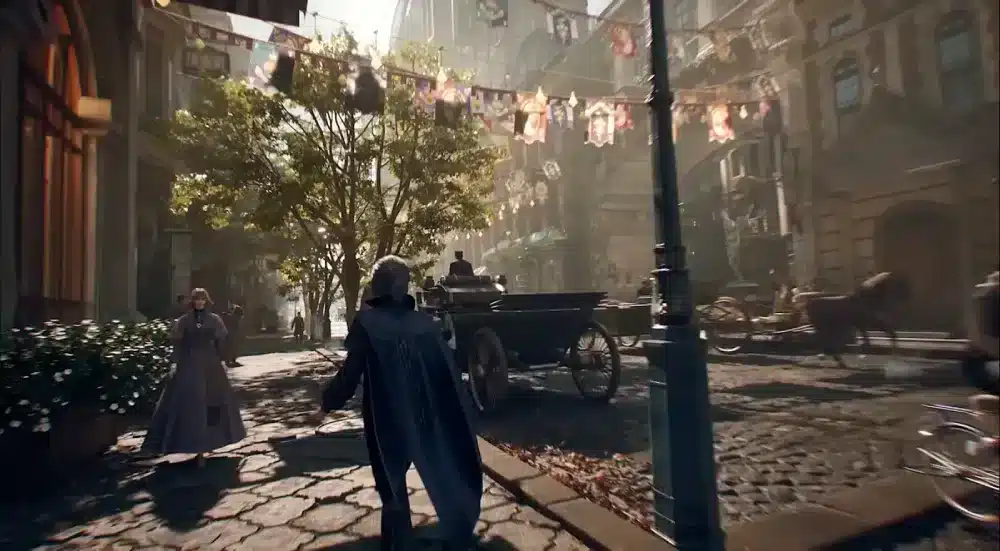
Furthermore, your character remains active within the server database even when you log off. The game world continually evolves, trades occur, and ongoing events progress constantly.
Consequently, players experience living digital worlds that never truly sleep. This persistence creates powerful emotional investment and lasting community bonds.
Core Pillars Defining Modern MMORPGs
Every major online role-playing experience relies on fundamental structural pillars. These systems ensure balanced gameplay across diverse playstyles.
- Character Progression: Gaining experience points, unlocking talent trees, and equipping legendary gear to enhance combat power.
- Persistent World Design: Exploring continuous landscapes, dungeons, and bustling player cities without server resets.
- Player Economy: Trading rare crafting materials, participating in auction houses, and setting dynamic market prices.
- Social Systems: Forming guilds, building alliances, participating in party voice chats, and coordinating large groups.
Core Systems Behind Rpg Online MMORPG Worlds
Character Classes And The Holy Trinity
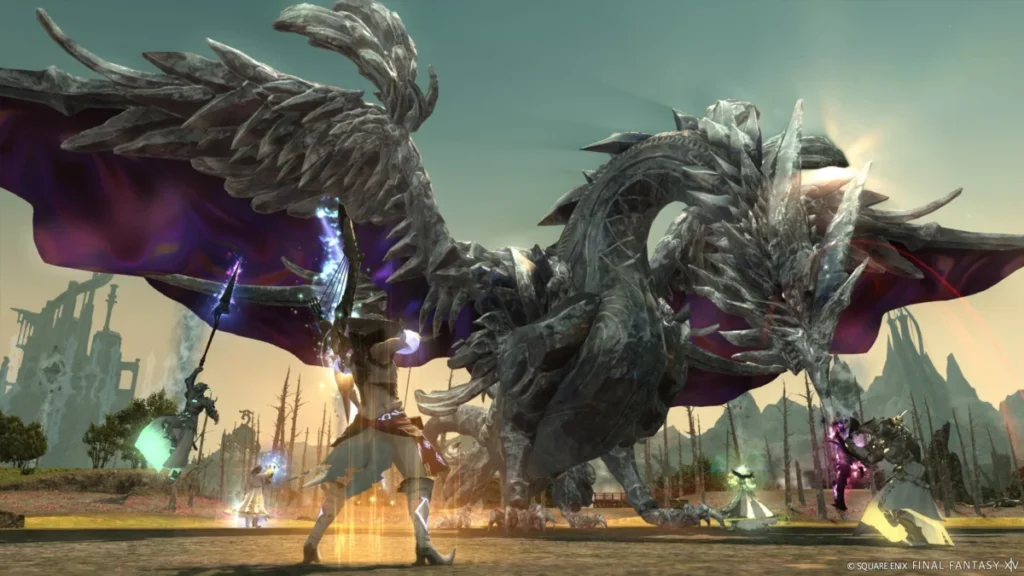
In any competitive Rpg Online MMORPG, group synergy dictates victory or defeat. Combat encounters generally revolve around specialized character archetypes working together.
Moreover, balancing these distinct combat roles allows groups to conquer difficult boss encounters. Without proper coordination, team wipes happen quickly in late-game raids.
- The Tank: Draws enemy aggression, absorbs massive damage, and controls boss positioning with crowd-control abilities.
- The Healer: Restores party health, cleanses detrimental debuffs, and provides defensive damage shields during intense phases.
- The Damage Dealer (DPS): Executes optimized skill rotations to deplete boss health bars while dodging lethal mechanics.
Questing, Raids, And High-End PvE
PvE encounters challenge party communication, execution, and tactical preparation. Players must master timing and character positioning to survive dungeon mechanics.
Additionally, endgame raids demand precise skill execution from dozens of simultaneous participants. Missing a single defensive cooldown can instantly ruin hours of group progress.
Therefore, dedicated guilds spend weeks studying encounter mechanics to claim server-first clear achievements. This shared struggle builds unforgettable camaraderie.
Exploring The Best MMORPG Games And Core Systems
Flagship Titles That Lead The Genre
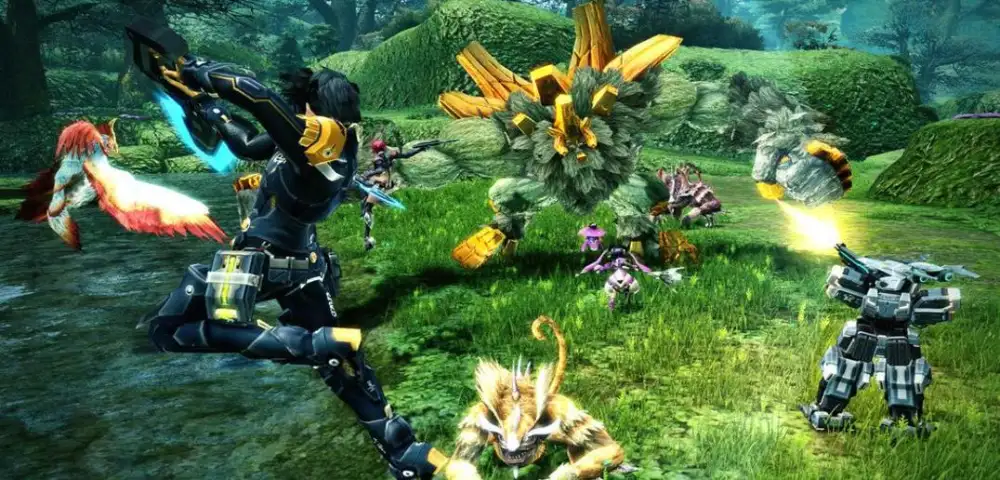
Finding the Best MMORPG depends heavily on whether you prioritize rich cinematic narrative, competitive combat, or deep crafting systems. Several legendary titles currently dominate the gaming landscape.
- World of Warcraft: Offers unmatched raid encounter design, extensive lore, responsive tab-target combat, and decades of polished endgame content.
- Final Fantasy XIV: Delivers an award-winning narrative journey, exceptional orchestral music, and flexible single-character class switching.
- Guild Wars 2: Emphasizes horizontal progression, dynamic world events, and fast-paced hybrid action combat without mandatory gear treadmills.
- The Elder Scrolls Online: Provides fully voiced quests, immense exploration freedom, and flexible hybrid build customization across Tamriel.
How Do MMORPGs Differ From Classic RPGs?
Traditional role-playing games focus entirely on isolated, single-player storytelling experiences. In contrast, massive multiplayer titles thrive on spontaneous human interactions and unpredictable emergent gameplay.
Furthermore, economic inflation and market speculation exist purely because real players drive the auction houses. Single-player games cannot replicate this chaotic social energy.
Consequently, multiplayer worlds feel unpredictable, dynamic, and genuinely infinite compared to scripted offline adventures. Every player you encounter has distinct personal goals.
The Rise Of Free To Play MMORPG Adventures
Value And Accessibility In Modern Free Titles
The expansion of Free To Play MMORPG experiences has democratized access for millions of passionate adventurers worldwide. Players can download expansive worlds without paying upfront box costs.
In addition, many titles utilize optional cosmetic battle passes and convenience items to fund ongoing content expansions. This financial model keeps server populations healthy and active.
Nevertheless, smart gamers carefully inspect monetization structures to avoid aggressive pay-to-win mechanics. Fair monetization ensures balanced competitive environments.
Notable Free 2 Play MMORPG Games
Discovering top Free 2 Play MMORPG Games provides hundreds of hours of immersive progression without financial commitment. The current market features outstanding options across diverse settings.
- Lost Ark: Features isometric action combat, stunning visual effects, intense guardian raids, and deep sailing exploration mechanics.
- Old School RuneScape: Delivers nostalgic charm, rewarding sandbox skill grinding, punishing wilderness PvP, and community-driven content voting.
- Albion Online: Focuses on full-loot sandbox warfare, player-driven manufacturing economies, and territory control battles.
- Star Wars: The Old Republic: Combines iconic galactic lore with rich branching class storylines and cinematic companion dialogues.
Comparing Leading Recommended MMORPG Games
Selecting the right adventure requires comparing game styles, pricing structures, and combat mechanics. The following table highlights top Recommended MMORPG Games available today.
| Game Title | Primary Combat Style | Progression Type | Monetization Model |
| World of Warcraft | Tab-Targeting System | Vertical Gear Treadmill | Subscription + Expansion |
| Final Fantasy XIV | Tab-Targeting Rotation | Story-Driven Vertical | Subscription + Expansion |
| Guild Wars 2 | Action Hybrid | Horizontal Mastery | Buy To Play + Free Option |
| Black Desert Online | Fast Combo Action | Sandbox Gear Grinding | Buy To Play + Microtransactions |
| Albion Online | Isometric Skill-Shot | Player-Driven Sandbox | Free To Play Optional Sub |
Pro Tips: Mastering Online Role-Playing Worlds
- Master Your Keybinds Early: Assign your most critical defensive and offensive skills to easily reachable keys around WASD, because reaching for number keys slows reaction times during frantic dungeon encounters.
- Join An Active Guild Immediately: Connect with established gaming communities, since organized guilds provide helpful leveling advice, group dungeon runs, and valuable crafting support.
- Diversify Your In-Game Economy: Invest spare currency into crafting materials and trade flipping on auction houses, ensuring you always have sufficient gold for endgame consumables.
- Optimize Your UI Layout: Move vital player and target health frames toward the center of your screen, allowing you to track raid mechanics without losing awareness of boss telegraphs.
Common Mistakes MMORPG Players Make
- Tunnel Visioning On Damage Meters: Many damage dealers ignore environmental hazards just to parse higher numbers. Fix: prioritize boss mechanics, ground avoidance, and survival over greedy attack rotations.
- Hoarding Low-Level Consumables: Beginners often save useful potions and buffs for rare emergencies that never happen. Fix: use consumable buffs regularly during difficult leveling quests to accelerate progression speed.
- Neglecting Network Latency: Players frequently overlook high ping and packet loss during competitive raids. Fix: optimize your internet connection and background routing to prevent fatal ability delays.
Exploring Unique Community Concepts And Demos
Indie Experiments And The Soloria Fake MMORPG Demo
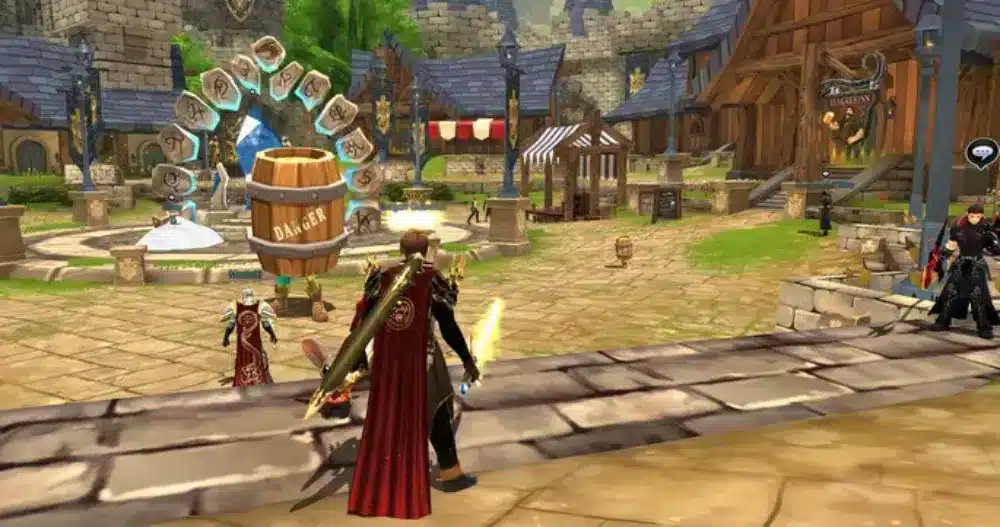
Indie creators often experiment with structural genre conventions to create innovative gameplay loops. An interesting example is the Soloria Fake MMORPG Demo, which simulates multiplayer interactions within a single-player environment.
In addition, these creative projects analyze what makes social mechanics engaging without requiring massive physical server infrastructures. They dissect simulated chat rooms and artificial player behaviors.
Consequently, studying experimental indie demos helps developers understand why players crave the illusion of living, populated virtual realms. Innovation often begins with small experiments.
The Future Evolution Of Online Role-Playing
Next-generation titles are integrating dynamic machine learning algorithms to create intelligent non-player characters. Quests will adapt organically based on server-wide player choices.
Furthermore, cloud gaming technologies allow seamless cross-platform progression between desktop computers and mobile devices. Gamers can manage trade operations anywhere.
Therefore, the boundary between physical socializing and virtual exploration will continue to blur. Immersive digital universes represent the future of interactive entertainment.
Why Network Performance Dictates Raid Success
The Lethal Impact Of High Ping And Packet Loss
Precision combat encounters require instantaneous input registration. When fighting complex world bosses, a split-second network delay can cause unavoidable character death.
Moreover, packet loss causes sudden rubber-banding, canceling spell casts and misaligning positional dodges. In competitive player-versus-player arenas, unstable connections guarantee instant defeat.
Therefore, serious raiders treat network optimization with the same priority as their in-game gear upgrades. Flawless connectivity transforms your overall mechanical execution.
Eliminate Latency In Every Online Realm With ExitLag
ExitLag provides the definitive solution for players who demand absolute stability across their favorite online worlds. Operating as an intelligent connection optimizer rather than a VPN, it maps and selects the fastest real-time network routes to game servers.
Furthermore, ExitLag features proprietary Multipath Technology that transmits data packets across multiple simultaneous routes. If one physical path experiences congestion, alternative routes instantly maintain uninterrupted gameplay.
Additionally, gamers can utilize Multi-Internet capabilities, combining up to four connections to eliminate sudden disconnects during high-stakes raids. The built-in Traffic Shaper prioritizes gaming data over background downloads, while PC Boost frees vital system resources for higher framerates.
Whether you are exploring expansive desktop dungeons or questing on mobile devices, stable routing is essential. Enhance your performance instantly by choosing theExitLag Download for your PC, or maintain flawless connections anywhere withExitLag for Android andExitLag for iOS.
Why You Should Master What Is MMORPG Today
Embracing the rich depth of massive multiplayer games provides unmatched entertainment value. Understanding What Is MMORPG allows you to discover thriving communities, master intricate class rotations, and conquer epic challenges with friends.
Whether diving into classic subscription epics or exploring accessible free-to-play universes, your journey begins with preparation. Equip your character, stabilize your connection, and conquer your next digital frontier.
All game images used in this blog post belong to their respective developers and publishers. They are used for informational and educational purposes only and do not imply endorsement or affiliation with the rights holders.
Got questions or want to connect with other players? Join the conversation at the ExitLag Forum!