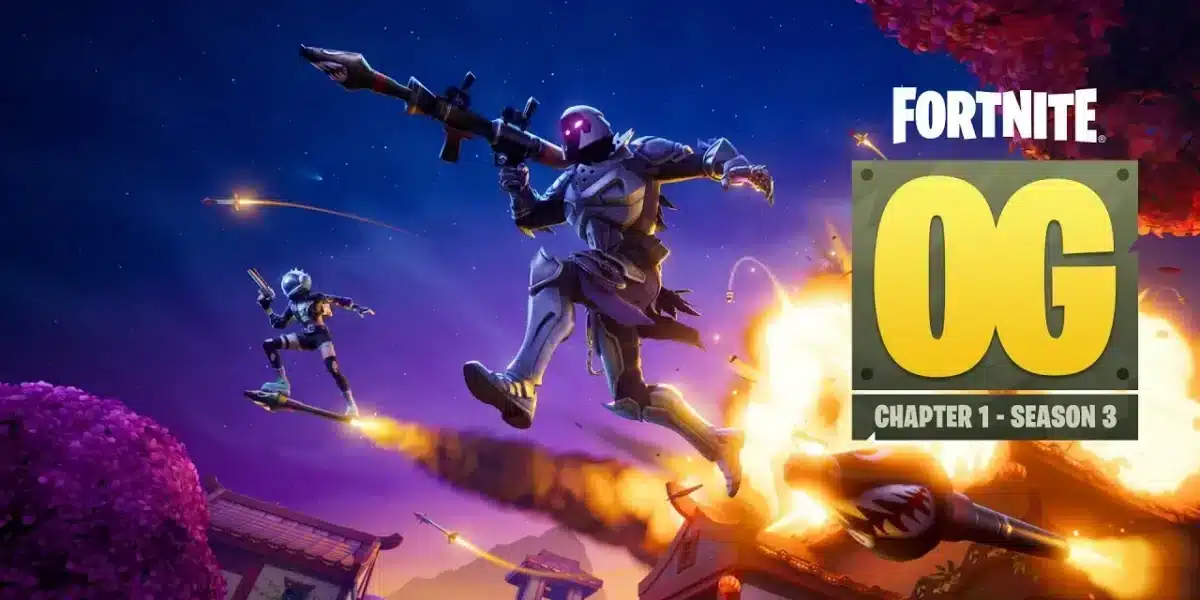

Survival games are the kind of genre you don’t just “try once.” You start with a wooden axe, a shaky plan, and somehow it turns into a six-hour session.
Survival games reward patience, creativity, and smart decision-making, which is why they feel so satisfying when you finally stabilize your world. Survival games also hit different depending on whether you like solo exploration or chaotic co-op.
What are survival games? Survival games are games where you manage hunger, health, temperature, stamina, or threats while gathering resources, crafting tools, and building a safe base to endure an unforgiving environment.
By the end of this guide, you’ll know how to pick the right subgenre, what to expect from different playstyles, and how to get smoother sessions, especially when online performance decides whether you live or lose your gear.
Survival games: What Makes the Genre Addictive
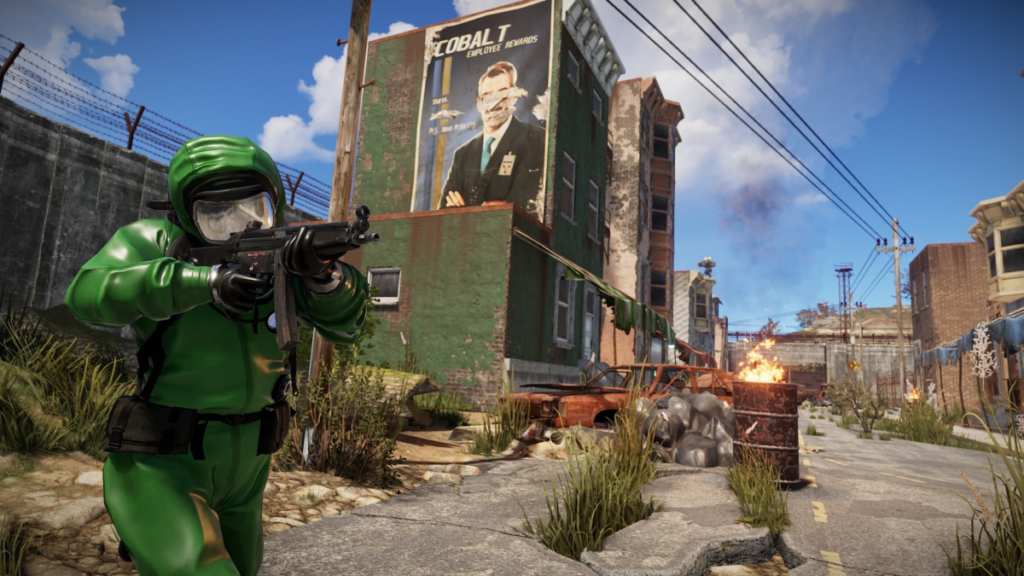
Survival games work because they constantly force trade-offs. You can build now or explore now, fight now or hide now, craft better gear or save resources.
And because the world keeps moving, you feel genuine pressure to improve your setup.
The Core Loop That Keeps You Hooked
Most survival games revolve around the same loop, but it never feels identical because each world creates different stories.
Here’s the loop in plain terms:
- Find resources and basic tools;
- Secure food and safety;
- Build a base and upgrade your gear;
- Explore further and face bigger threats;
- Repeat with higher stakes and better rewards.
That loop is why survival crafting games stay engaging: progress is earned, not handed to you.
Why Difficulty Feels “Fair” (When It’s Done Right)
The best survival experiences don’t just punish you. They teach you.
For example, if you freeze at night, you learn to plan shelter sooner. If you starve, you learn to hunt, farm, or ration. Over time, survival games turn failures into knowledge, and that’s what makes improvement feel real.
Best survival games by Playstyle
Not everyone wants the same kind of survival. Some players want calm exploration, while others want constant PvP pressure.
So, instead of chasing hype, pick based on what you actually enjoy.
Solo Exploration vs Constant Threat
If you like discovery, you’ll probably prefer open world survival titles where the environment is the main enemy.
If you like tension, you may prefer survival horror or hardcore survival styles, where danger is always close.
A quick way to choose:
- Prefer calm progression? Go exploration-heavy and sandbox survival;
- Prefer adrenaline? Go hardcore survival or PvP-focused worlds;
- Prefer story? Go narrative survival with guided objectives.
This is why the phrase best survival games is so personal: “best” depends on your tolerance for risk.
Base Building vs Nomadic Survival
Some survival players love building a fortress. Others hate being tied down.
If you love building, prioritize:
- Strong building systems;
- Clear upgrade paths;
- Resource management depth.
If you prefer roaming, prioritize:
- Fast crafting system access;
- Portable tools and flexible loadouts;
- Exploration rewards that stay meaningful.
Either way, survival games feel better when your playstyle matches the game’s core design.
Survival games PC: Settings, Stability, and Smooth Sessions
If you play survival games PC, performance matters more than you might expect. Even a “slow” survival title can become frustrating if stutters, delays, or server spikes mess with your timing.
That’s especially true in online worlds where your actions have consequences.
PC Tweaks That Actually Help
Before you change anything big, focus on small improvements that reduce drops and input delay.
Try this simple checklist:
- Cap your FPS to a stable number (stability beats peaks);
- Lower shadows and volumetric effects first;
- Reduce view distance if your world is heavily built;
- Close overlays that cause spikes during autosaves;
- Keep drivers updated if your game patches frequently.
These steps help you stay consistent during base raids, boss fights, or heavy building sessions.
Online Survival: Why Lag Hits Harder Here
In survival games, losing a moment can mean losing everything.
When ping spikes or packet loss happens, you might:
- Miss a block placement and fall;
- Desync during combat;
- Fail to react to a push in PvP;
- Lose items due to a delayed escape.
That’s why survival games PC players often care about stability as much as FPS, especially in long sessions where you can’t afford random disconnects.
Multiplayer survival: Co-op, PvP, and Server Mindset
Multiplayer survival changes the genre completely. The moment real players enter the equation, the game becomes less predictable and way more intense.
However, it’s also where survival games can be the most fun.
Co-op Survival Games: Roles Make Everything Easier
If you play co-op survival games, teamwork creates efficiency.
Strong co-op groups naturally split roles like:
- Builder (base layout, defenses, storage);
- Gatherer (resources, farming routes, crafting supply);
- Scout (map knowledge, exploration, loot paths);
- Fighter (combat, boss prep, threat control).
This structure keeps your team from stepping on each other’s progress, and it makes survival games feel smoother.
PvP and Raids: How to Avoid Getting Wiped
PvP survival is harsh, but it’s not random. Most wipes happen because players stay predictable.
To reduce risk, use habits like:
- Keep backup kits and hidden stashes;
- Don’t build in obvious “best spots” everyone checks;
- Move valuables before you log off;
- Rotate routes so you’re harder to track.
In multiplayer survival, survival is often about habits, not hero plays.
Survival game list: Quick Picks and Comparisons
Before the table, here’s how to use it: treat it like a shortcut for matching a game to your mood. If you want relaxed crafting, pick exploration-first. If you want chaos, pick PvP-first.
| Game Style Example | Best For | Core Focus | Difficulty Feel | Online Impact |
| Sandbox builder | Creative base lovers | Building + crafting system | Chill to medium | Low to medium |
| Exploration survival | Solo explorers | Biomes + discovery | Medium | Low |
| Co-op progression | Friend groups | Bosses + upgrades | Medium | Medium |
| PvP survival | Competitive players | Raids + territory | High | High |
| Survival horror | Tension seekers | Scarcity + fear | High | Medium |
This survival game list format keeps expectations realistic: the more competitive the mode, the more stability matters.
Survival games: Practical Tips to Survive Longer
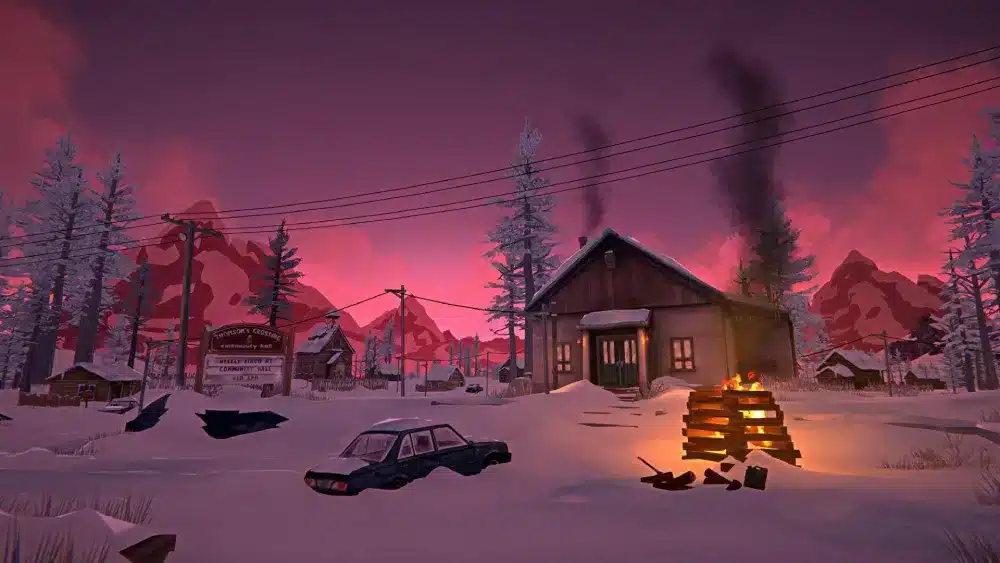
Survival games punish panic decisions. The easiest way to improve is to build a repeatable early-game routine, then scale it.
Early Game Priorities That Always Work
No matter the world, these priorities usually save you:
- Secure food before chasing rare loot;
- Get a reliable spawn point or safe shelter;
- Create storage early so you don’t lose progress;
- Upgrade tools before taking big risks.
These habits reduce the “restart pain” and make survival games more consistent.
Mid-Game: Turn Chaos Into Systems
Once you’re stable, the goal becomes efficiency.
That means:
- Automating resource management where possible;
- Expanding base building in layers (core → storage → defense);
- Planning exploration runs with clear goals.
At this stage, survival games stop feeling random and start feeling strategic.
FAQ
Survival games are titles where you manage threats and resources—like food, health, crafting, and shelter, while staying alive in a hostile world.
Many beginners enjoy sandbox survival or co-op progression because the pacing is friendlier and mistakes are less punishing.
Stable FPS, reduced stutters, and a consistent connection help the most—especially in online worlds where timing matters.
Usually, yes. Multiplayer survival adds unpredictability, raids, and real opponents, which increases risk and pressure.
Because delays, desync, and packet loss can turn small mistakes into big losses, especially during fights or escapes.
ExitLag can help by optimizing your connection route, reducing lag spikes and packet loss for smoother online sessions on PC (and supported mobile games). It’s not a VPN and doesn’t change your location.
Survival games: Play Smoother Online with ExitLag
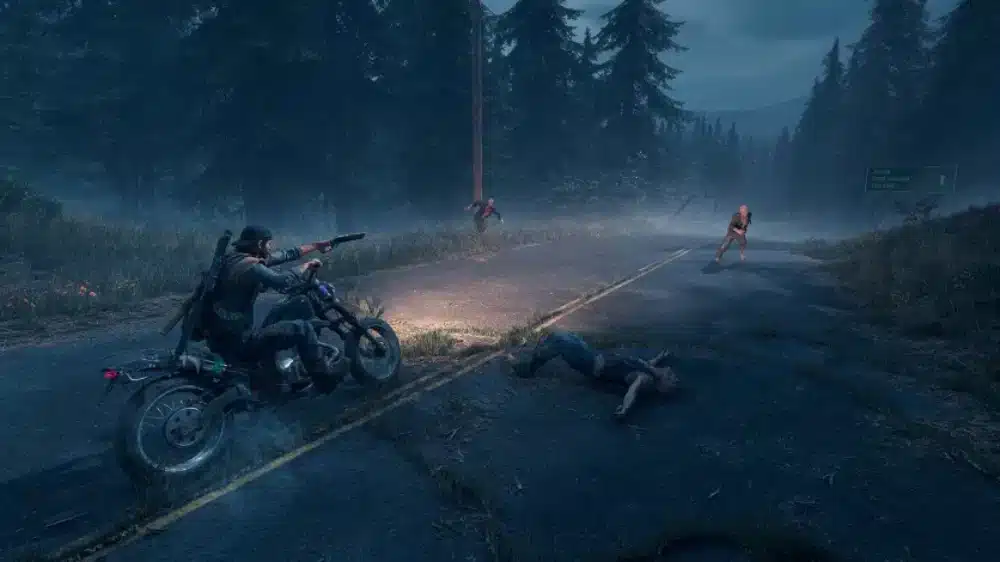
If you love Survival games, you already know how painful it is to lose progress to a bad moment, especially in competitive servers and long sessions. Survival games reward preparation, but online stability still matters when every second decides whether you escape or get wiped.
Survival games feel better when your connection is stable, your actions register cleanly, and your fights don’t turn into desync chaos. ExitLag helps by optimizing routes to reduce lag, ping spikes, and packet loss, focused on smoother gameplay rather than changing your location.
Got questions or want to connect with other players? Join the conversation at the ExitLag Forum!